
Why Do Dogs Escape Collars? Fit, Fear, and Fixes

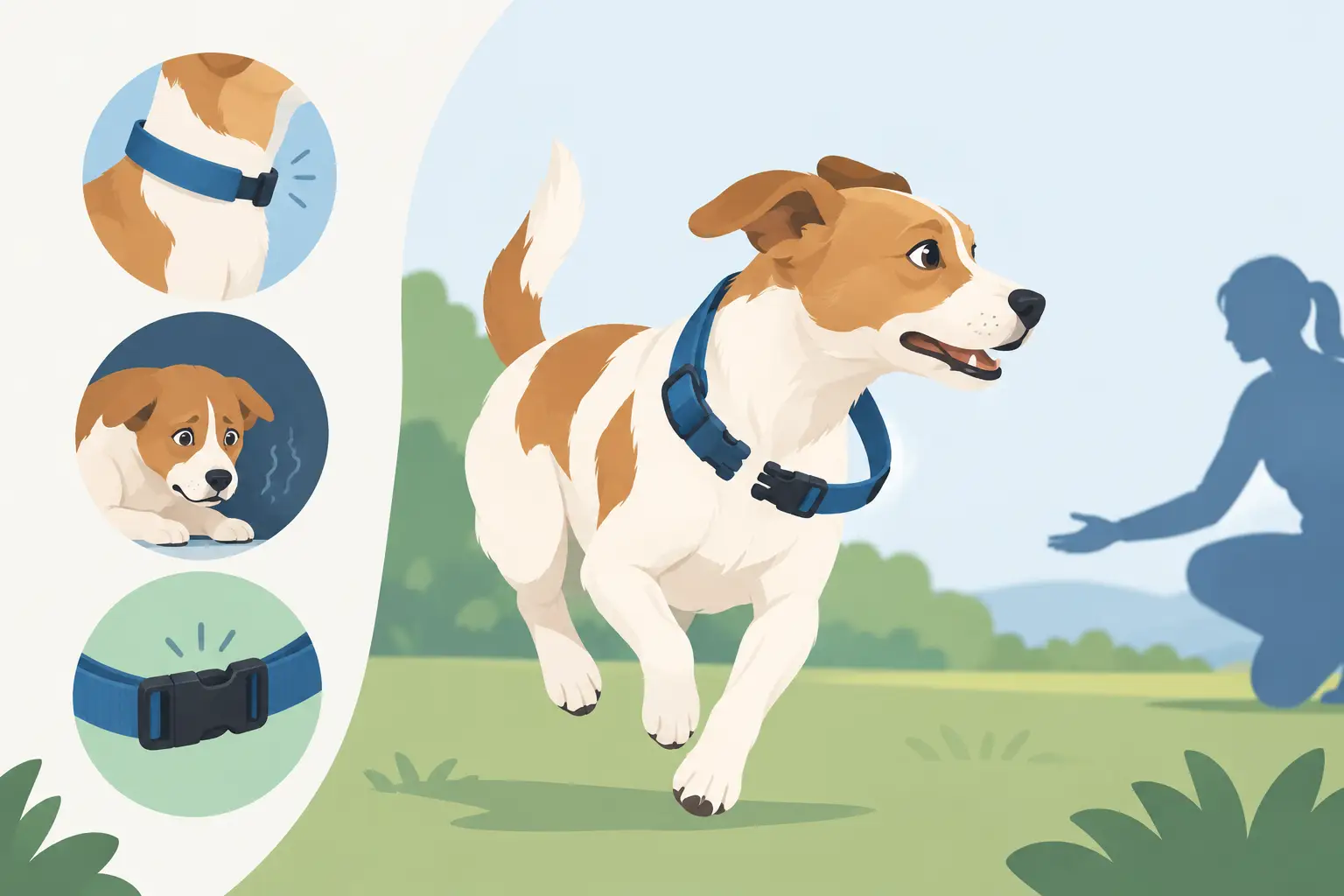
A collar that slips off is not a cute little Houdini trick when it happens beside a busy road, at the vet, or halfway through a walk. Why do dogs escape collars? Usually, it is not because they are being stubborn. It is because their collar fit, body shape, stress level, or walking setup gives them a way out.
Some dogs can back out of a standard buckle collar almost as easily as they can step out of a loose T-shirt. Sighthounds are famous for this, but a determined small dog, a fluffy dog, or a frightened rescue can do it too. The good news is that most collar escapes are preventable once you identify what is actually happening.
Why do dogs escape collars in the first place?
A standard flat collar stays the same size whether your dog walks politely forward or throws their weight backward. When a dog backs up, the head can become the narrowest point in the escape route. If the collar is loose enough to pass over that point, it can slide right off.
Dogs with narrow heads, long necks, or ears that sit close to the skull are especially skilled at this move. Greyhounds, whippets, Italian greyhounds, salukis, and other sighthounds are the classic examples: their necks are often wider than their heads. A collar that seems comfortable and secure while they stand still may not stay on when they reverse with purpose.
Fear can turn an ordinary fit issue into an emergency. A surprising truck noise, another dog rushing over, fireworks, a dropped leash, or an unfamiliar veterinary lobby can make even a calm dog pull backward hard. In that moment, they are not thinking about their collar. They are trying to create distance from whatever feels scary.
There is also the practical possibility that the collar is simply too big, worn out, or adjusted incorrectly. Fabric can soften with use, hardware can shift, and a collar that fit a young dog in spring may be too loose after a trim or weight change.
The fit check that catches most problems
The familiar two-finger rule is a helpful starting point, but it is not the whole test. You should be able to comfortably slide two fingers beneath a flat collar, yet the collar should not rotate freely around the neck or sag away from the skin.
Then do the escape check. With your dog standing calmly, gently pull the collar forward toward the ears and backward toward the shoulders. It should not glide over the head in either direction. Do this carefully and without creating a game out of it. You are checking the collar's security, not teaching your dog a new party trick.
Long coats can make fitting deceptive. A collar may feel snug over a fluffy ruff but become loose once the fur compresses. Part the coat and make sure the collar is sitting against the neck, not only resting on top of hair. Likewise, check fit after grooming, bathing, seasonal shedding, or a noticeable change in your dog's weight.
A dog can outgrow a collar in more ways than one. Puppies grow quickly, and some adult dogs gain neck muscle through activity or lose weight during illness or recovery. Take a fresh measurement rather than guessing based on the last collar size.
A martingale collar can add security for escape artists
For dogs who can back out of a flat collar, a properly fitted martingale collar is often a smart option. A martingale has a larger loop around the neck and a smaller control loop that tightens when leash pressure is applied. Instead of staying loose while a dog backs away, it gently closes to a safe, fitted stopping point.
That extra security is why martingales are especially popular with greyhound families and other dogs with narrow heads. They can also be useful for newly adopted dogs, dogs in training, and dogs who get nervous in unfamiliar situations.
The key word is properly. When the control loop is pulled tight, the two metal slides should come close but should not touch. If they touch, the collar has room to tighten too far and needs adjustment. If the collar cannot tighten enough to stop it slipping over the head, it is too loose to do its job.
Measure carefully for a martingale. You need the neck measurement where the collar will sit, plus the widest point of the head so the collar can slide on comfortably. A custom-made collar is only as secure as the measurements provided, so use a soft tape measure and write down the numbers before ordering. If your dog falls between sizes, do not guess. A little measuring patience beats a panicked chase across a parking lot.
Martingale collars are for supervised walking and handling, not for tie-outs, crates, or unsupervised wear. Because they tighten under pressure, they can catch on fencing, kennel hardware, or household objects. Many owners use a martingale for walks and switch to a lightweight ID collar at home. It depends on your dog's routine, but safety should make that decision.
Do not blame the collar for a leash setup problem
Sometimes the collar is secure, but the leash setup gives a dog too much opportunity to bolt. Clipping a leash to a loose ring, using a damaged clasp, or holding the leash with one distracted hand can turn a normal walk into a scramble.
Before heading out, inspect the hardware. Look for bent rings, cracked plastic, frayed webbing, a sticky snap hook, or stitches that are pulling loose. Handmade collars and leashes are made for real dogs and real adventures, but no gear lasts forever under chewing, mud, saltwater, and daily pulling.
For a dog with a known escape history, use layered safety in higher-risk situations. A well-fitted martingale paired with a backup connection to a secure harness can provide reassurance during travel, adoption transitions, crowded events, or walks near traffic. The backup should be set up so it does not tangle or restrict normal movement. If your dog pulls hard, a trainer can help you choose a handling plan that is both secure and kind.
A harness is not automatically escape-proof, either. Dogs can slip out of poorly fitted harnesses, particularly when backing up. Check that the chest and belly straps are properly adjusted and that your dog cannot reverse through the openings.
Stress is part of the escape story
If your dog only tries to escape in certain places, the collar is probably not the only issue. Notice the pattern. Maybe your dog backs out at the groomer, when a skateboard passes, or when visitors lean over them. That behavior is useful information.
Do not punish a dog for being scared or for pulling away. Instead, create more distance from the trigger when possible and work at a level where your dog can stay calm enough to learn. Bring high-value treats, keep walks shorter during noisy times, and let your dog turn away rather than forcing a close encounter.
For repeated fear reactions, work with a qualified force-free trainer or speak with your veterinarian. Better equipment matters, but a secure collar should support training, not replace it. A dog who feels safer is less likely to make a desperate exit attempt.
Small habits that make a big difference
Check the collar before every walk, especially if more than one person walks the dog. Confirm that the buckle is fully fastened or that the martingale is adjusted correctly, and give the leash clip a quick tug after attaching it.
Keep identification current. A tag with your current phone number and a registered microchip provide a second chance if an escape ever does happen. For dogs who wear decorative collars, consider whether the style is best for everyday walking or better saved for supervised outings and photos. Sparkle, plaid, florals, and full personality are welcome - security still comes first.
Finally, practice calm door manners. Many escapes happen before the walk even begins. Ask for a pause at the door, clip the leash on before opening it, and avoid creating a rush of excitement around getting outside. A few quiet seconds can prevent a very long, very stressful afternoon.
Your dog does not need boring gear to be safe. They need gear that fits their body, suits their habits, and is checked with the same care you put into choosing a collar that looks wonderfully, unmistakably like them.


Comments