

Are Martingale Collars Humane? A Kind, Safe Fit

Are martingale collars humane? They can be - but only when the collar fits correctly, is used with a gentle hand, and suits the dog wearing it. For a greyhound who can slip a regular buckle collar in two seconds flat, a properly fitted martingale can be a calm, practical safety tool. For a dog left unattended in one, or a collar cranked down too tight, it can become the opposite.
That is the honest answer. A martingale is not automatically kind or cruel because of its name, its print, or whether it is handmade. Humanity lives in the fit, the situation, and the person holding the leash.
What a Martingale Collar Is Designed to Do
A martingale collar has two loops. The larger loop goes around your dog's neck, while the smaller control loop tightens when leash pressure is applied. Unlike a traditional choke chain, a correctly adjusted martingale has a limited closing point. It should tighten only enough to prevent the collar from slipping over the dog's head, not keep tightening around the neck.
That limited action is why martingales are popular with greyhounds, whippets, salukis, and other dogs with sleek heads and necks. Many of these dogs can back out of a standard flat collar with alarming speed. The same can be true for nervous rescue dogs, curious sighthounds, and clever escape artists of every shape.
A secure collar can prevent a frightening loose-dog moment near traffic, wildlife, or an open door. In that setting, the gentle, limited tightening action may be kinder than relying on a collar that cannot stay on your dog at all.
Are Martingale Collars Humane for Every Dog?
Not necessarily. A martingale is a tool, not a personality test or a cure for pulling. Some dogs wear one comfortably for everyday walks. Others may do better with a well-fitted harness, especially if they pull hard, have neck or airway concerns, or become distressed by pressure around the neck.
The key question is not, “Does this collar tighten?” Almost every collar creates some degree of neck pressure when a dog hits the end of the leash. The better question is, “What happens to my dog when that pressure occurs?”
A dog who walks on a loose leash and occasionally needs a little extra security may do beautifully in a martingale. A dog who lunges, coughs, spins, freezes, or repeatedly throws their full body weight into the leash needs a different plan. More collar pressure will not teach calm walking, and it can add discomfort to an already stressful moment.
For strong pullers, consider leash-training support and equipment that spreads force across the body rather than concentrating it at the neck. If your dog has a collapsed trachea, neck injury, breathing issue, or any medical concern, ask your veterinarian what is appropriate before choosing walking gear.
The Fit Is the Whole Story
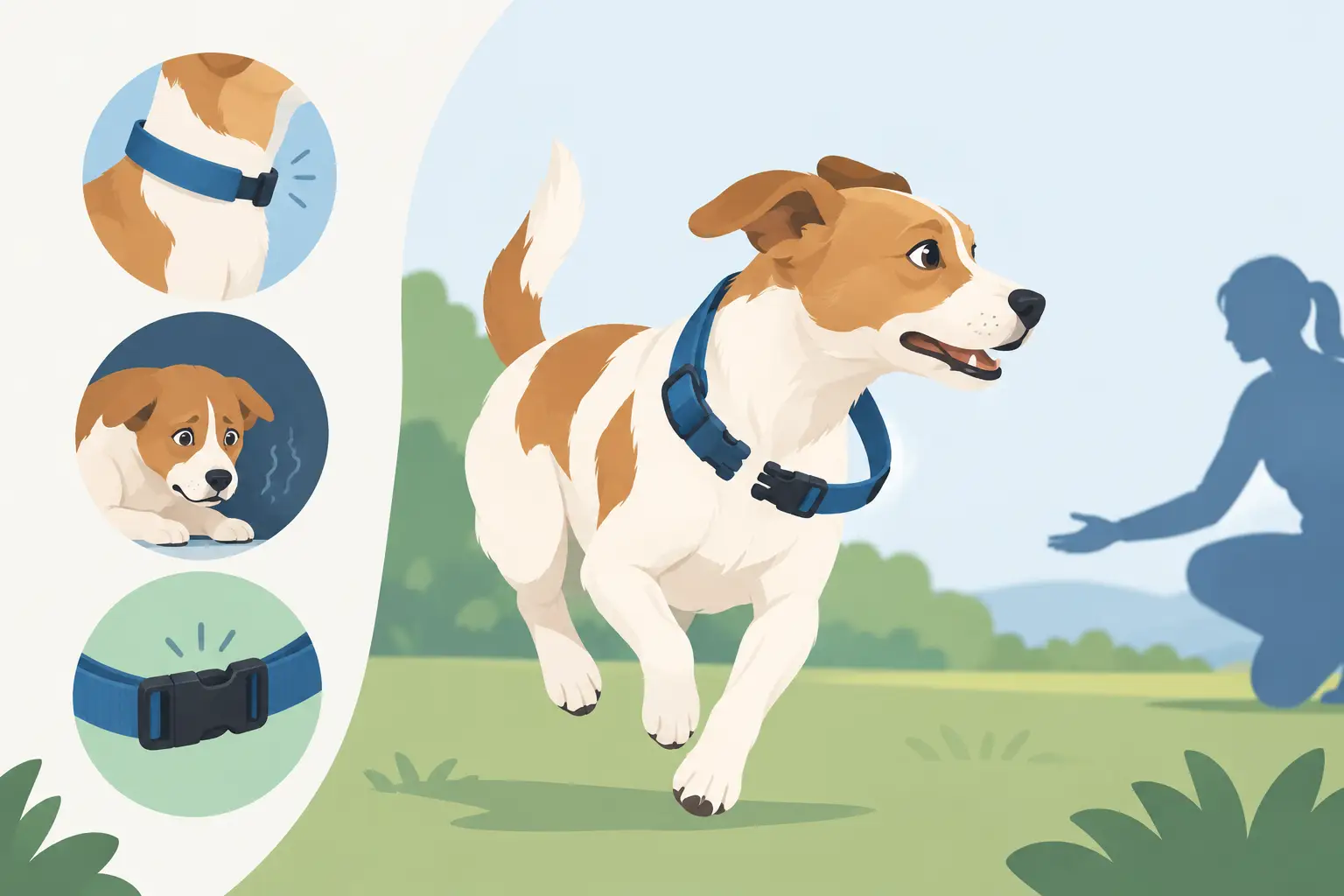
A loose martingale can still slip off. A tight martingale can cause rubbing, pinching, or unnecessary pressure. The sweet spot is secure without being restrictive.
To fit one, place the collar high on your dog's neck, just behind the ears, where it is naturally narrower. Adjust the large loop so you can comfortably slide two fingers underneath when the collar is relaxed. Then check the control loop. When you pull it closed, the two metal slides should come close together but should not overlap or pull hard against each other.
This closing limit matters. If the slides meet with a big gap still left in the collar, it may not tighten enough to prevent an escape. If the collar can cinch down very small or the hardware is already jammed together while your dog is standing normally, it is too tight.
Check fit again after your dog has worn the collar for a few minutes. Thick fur can hide a loose adjustment, and a narrow-headed hound can make a collar seem secure until they decide to reverse out of it. A quick driveway check is much nicer than a panicked search party.
Watch Your Dog, Not Just the Measuring Tape
Numbers help, but comfort is visible. A humane collar should not leave deep marks, rub bare spots, or make your dog cough when they move normally. Look for relaxed body language on walks and inspect the neck regularly, especially during the first week with a new collar.
Also check the webbing, stitching, and hardware often. Handmade gear deserves the same common-sense inspection as any other piece of safety equipment. If fabric is fraying, hardware is bent, or the collar no longer adjusts smoothly, retire it from walking duty.
When a Martingale Should Come Off
This is the rule many well-meaning dog people miss: martingale collars are for supervised walks and handling, not all-day wear.
Because of the extra loop, a martingale has more snag potential than a simple breakaway-style collar. Take it off before crating, unsupervised yard time, rough dog play, or any situation where the collar could catch on fencing, furniture, another dog's mouth, or crate bars. A secure walking collar is wonderful when you are there to manage it. It is not meant to be a 24/7 accessory.
That does not mean your dog cannot have a little style at home. It just means safety gets first pick. Save the fabulous plaid, floral, holiday sparkle, and personality-packed looks for supervised outings, photos, and walks where you can enjoy them together.
Gentle Handling Matters More Than the Hardware
Even the best-fitted martingale can be used roughly. Jerking, popping, or repeatedly snapping the leash puts force on your dog's neck and can make walks feel unpredictable. The collar does not need to do the training for you.
Use a comfortable leash length, keep your hand soft, and reward your dog for staying near you with a loose leash. If they stop to sniff, give them a moment when it is safe. Sniffing is not a failure to walk nicely. For many dogs, it is the best part of the outing.
When your dog pulls toward a squirrel, a dog friend, or that one mailbox they find deeply suspicious, pause or change direction instead of yanking back. Consistent training builds better walking habits than corrections ever will. The martingale's job is simply to stay on your dog while you work together.
Choosing a Humane Martingale Collar
A good martingale should be made from materials that sit comfortably against the neck, with smooth hardware and secure construction. Width also matters. A very narrow collar can concentrate pressure, while a wider collar generally distributes it over a larger area. The best width depends on your dog's neck size, coat, build, and how they walk on leash.
Decorative details should never interfere with function. Choose designs with embellishments placed so they will not poke, snag, or sit under constant leash pressure. A collar can be cheerful, glamorous, funny, patriotic, or delightfully over-the-top and still be thoughtfully made for a real dog with a real neck.
At Greyt Collar, the handmade part is more than a pretty detail. It is a reminder to measure carefully, choose with purpose, and give custom gear the time it deserves. Quality takes time, and so does finding the fit that helps your dog feel secure.
A Kind Choice Looks Like This
A humane martingale is fitted for escape prevention, used under supervision, paired with patient leash manners, and removed when the walk is over. It is not used to force a dog through discomfort or to solve a pulling problem by tightening harder.
If your dog walks happily, stays secure, and shows no signs of rubbing or stress, a martingale may be an excellent choice. If they struggle, cough, pull intensely, or have health concerns, switch gears without guilt. The kindest collar is the one that keeps your dog safe while letting their bright, weird, wonderful personality come along for the walk.



Comments